
When the Power Keeps Tripping at Home
Electrician Caboolture editorial resource · Reviewed
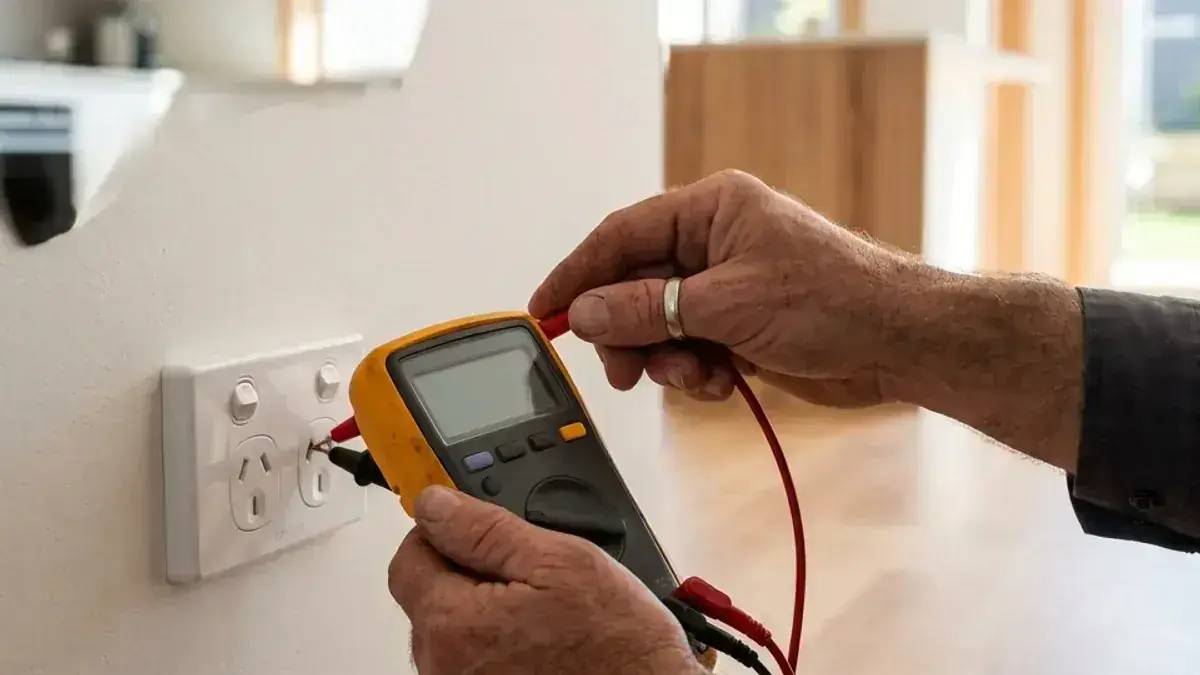
Repeated power trips can interrupt cooking, refrigeration and work at home. A fault-finding visit identifies the cause so the repair addresses the failed appliance, wiring or protective device. Repeatedly resetting a safety switch does not resolve the underlying problem.
For repeated trips, electrical fault finding is the relevant starting point. You do not have to identify a failed component before asking for help. Call now about the interruption and where it is happening. If there is immediate danger, follow emergency guidance rather than waiting for a routine enquiry response.
If the whole house has lost power, Energex suggests checking whether your neighbours have power too and, if the outage is wider, the Energex Outage Finder. If only your home is affected or a fitting smells hot or burnt, treat it as urgent. Once everyone is clear, see the emergency electrician guide and stop resetting the safety switch.
A trip is a symptom, not a diagnosis
Different electrical problems can leave you with a similar experience: something stops working. The reason may be associated with equipment, a circuit or a protective device. A description of the interruption is helpful, but it does not establish which part needs replacement.
The Queensland Electrical Safety Office explains that safety switches protect against electric shock by rapidly disconnecting power when a fault is detected. Circuit breakers and safety switches are not interchangeable labels for the same protection. If you are unsure what you have, an electrician can identify it. There is no need to remove a cover or inspect internal wiring.
The practical question is whether the proposed work resolves the reason for the trip. A new safety switch and a repair elsewhere in a circuit can be different parts of the answer. Replacing one item without explaining the finding makes it difficult for you to judge what the job achieves.
Useful observations do not require electrical testing
You can explain what you noticed during normal use. Perhaps the interruption happened when dinner was being prepared, or only one part of the house lost power. The approximate time, affected rooms and whether it has happened before can help describe the situation. These observations are not instructions to recreate a fault.
Avoid turning a symptom into a confident diagnosis when you make the enquiry. “The kitchen lost power twice this week” is more useful than deciding the switchboard is faulty without an assessment. It leaves room for the electrician to investigate the cause instead of starting from an assumption.
In a household with several occupants, one person may notice lights failing while another notices an appliance stopping. Those observations can help establish when and where the interruption happened. The project checklist helps you note concerns without testing electrical equipment.
Agree what the first visit is intended to achieve
A fault-finding visit may begin with diagnosis rather than a known replacement. That can make the price feel less certain than fitting a product you have already selected. A clear starting agreement should explain the investigation charge, what it includes and how any further repair will be authorised.
Consider a situation where testing finds more than one concern. You may want the original problem resolved first, with a separate proposal for a larger improvement. An agreed boundary gives you a way to make that choice. It also helps distinguish urgent findings from work that can be planned independently.
For a shop or home office in Caboolture, the arrangements for interrupted power can be as important as the appointment itself. Explain which activities rely on electricity so the discussion includes disruption, not just parts. No standard visit length can be promised from a short description of a fault.
Send the details of the power problem if a written account is easier. Include the rooms affected and what you noticed, without opening equipment or recreating the interruption.
When a larger upgrade enters the conversation
Sometimes a repair discussion leads to a proposal for switchboard changes or wiring replacement. That recommendation should have its own explanation. The useful distinction is between the work needed to address the finding and improvements that serve another goal.
An older-looking board alone does not tell you the complete scope. Nor does a newer-looking enclosure prove that every circuit has the protection or capacity you expect. The electrician’s assessment is what connects the condition of the installation with the proposed work.
If the recommendation is substantial, a written description is easier to compare than a verbal list of parts. Which circuits are involved? What will remain? Will any wall or ceiling access be needed? Who handles making good? These are customer decisions about cost and disruption, not directions for carrying out electrical work.
Rentals need a clear account of the fault
At a rented property, the person experiencing the interruption may not be the person authorising the repair. A concise account of the problem helps the tenant, property manager and owner discuss the same issue. Use the property’s established repair contact process and make any immediate safety concern clear.
Do not treat the form on this site as a substitute for the emergency arrangements in a tenancy or for emergency services. It is an enquiry about electrical work. If you are requesting a quote on an owner’s behalf, clarify who can authorise investigation and any additional work before an appointment is agreed.
Know what has been resolved
After the repair, ask what failed, what was fixed and whether anything still needs attention. An appliance repair may be separate from work on the home’s wiring. Keep the findings with the invoice so you can identify what was done if the problem returns.
WorkSafe Queensland’s certificate guidance distinguishes electrical installation certificates from certificates for work on equipment. Keep the applicable record with your repair paperwork. It is useful evidence of the completed work, not a guarantee about every future electrical issue at the property.
For a problem that keeps returning, the aim is to move from uncertainty to a defined repair. Call now about electrical fault finding in Caboolture, or read how to compare electrical quotes if you already have competing proposals.