
Electrician Checklist for Caboolture Homes
14 things worth checking around a Caboolture-area home, with why each one matters. Tick items off as you go, or print the page to work through it offline.
-
Check when your switchboard was last upgraded
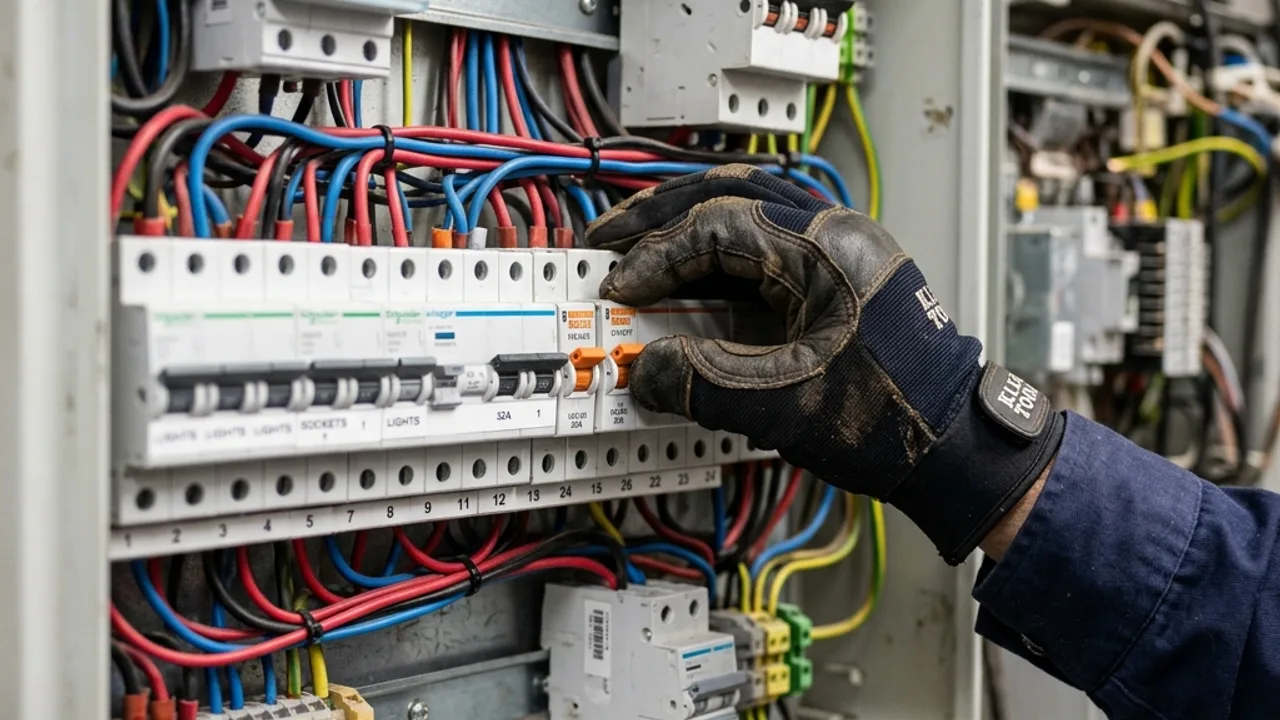
The switchboard is the panel that distributes power to the home's circuits. It may need assessment before new circuits or larger appliances are added; age alone does not mean it needs replacing.
-
Ask which circuits have safety switch protection
Safety switches help protect against electric shock on the circuits they cover. Ask an electrician to identify the existing coverage and explain the rules and options for your property; all-circuit coverage is recommended but is not a blanket legal requirement.
-
Test your safety switches using the built-in test button
Follow the manufacturer's test instructions for an accessible safety switch. If it does not operate as expected, contact a licensed electrician; do not attempt a repair or assume the circuit is protected.
-
Check whether your smoke alarms are interconnected and photoelectric
Existing private homes need interconnected photoelectric smoke alarms by 1 January 2027. Photoelectric alarms use optical sensors to detect smoke; interconnected alarms sound together. Existing hardwired (mains-powered) alarms must remain hardwired when replaced; permitted battery-only alarms use non-removable 10-year batteries.
-
Note the age of each smoke alarm
Replace a smoke alarm once it is older than 10 years, or sooner if it fails a test. Check its age and manufacturer's replacement instructions without opening any wiring.
-
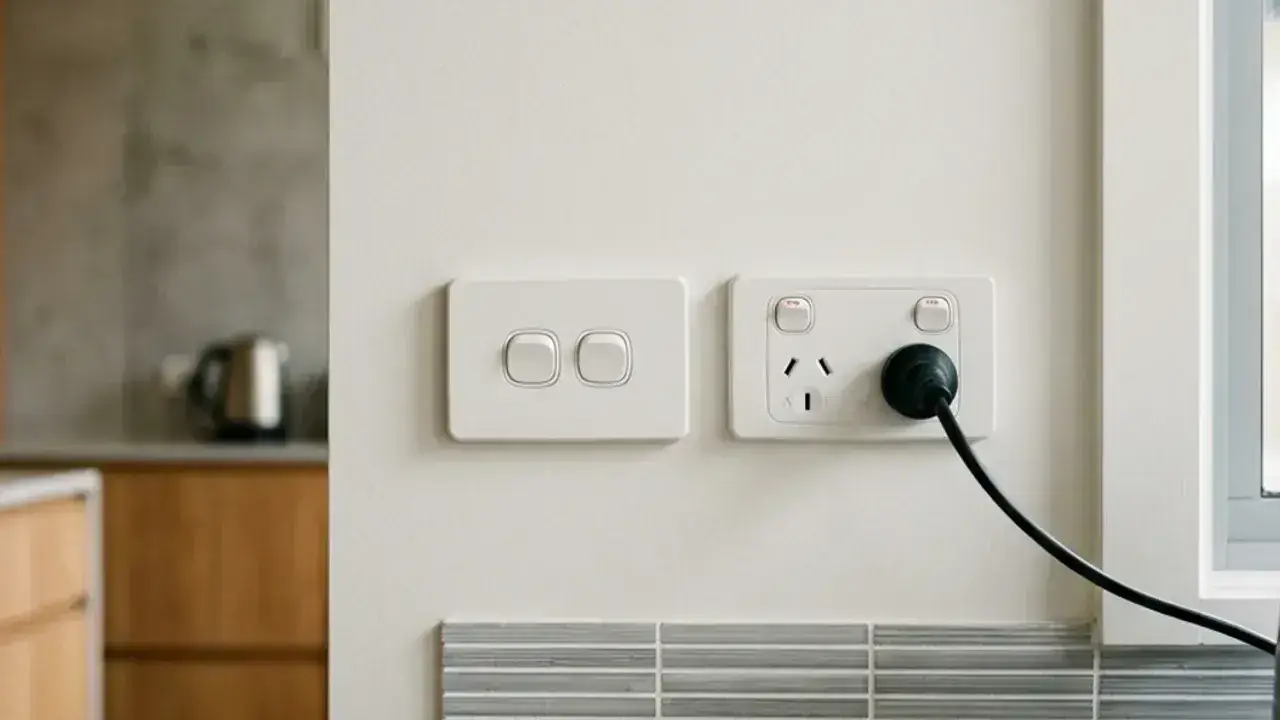
Note visible rust or water damage around outdoor power points
If you can see damage, corrosion or water exposure without touching the fitting, tell the electrician so they can assess its suitability and condition.
-
List any power points or switches that feel warm, spark, or smell unusual
These are signs of an active fault and shouldn't wait for a routine or scheduled visit.
-
Report any wiring damage you already know about
Keep clear of damaged wiring and tell the electrician what you have seen. Do not enter the roof or subfloor to inspect wiring for this checklist.
-
Describe any planned electric vehicle (EV) charger or air conditioner
Give the product details and proposed location. A licensed electrician must assess the existing supply and circuits before recommending an installation or upgrade.
-
Check your reliance on extension cords and powerboards
A shortage of convenient outlets is worth discussing. An electrician can assess the loads and layout before recommending extra points or circuits.
-
Tell the electrician about any suspected unlicensed electrical work
Queensland has no DIY carve-out for fixed electrical work, on your own home or otherwise.
-
Check if the property has had an electrical safety inspection before a recent sale or long-term tenancy
Share any existing inspection or work records with the electrician. They can advise whether another assessment would help before a sale, lease or renovation.
-
Note any rooms without adequate lighting for how they're actually used
A common trigger for a power point and lighting installation job during a renovation or extension.
-
Check that your switchboard and meter box are easily accessible
Restricted access can add real time - and cost - to any electrician's visit, from the first assessment onward.
Method: using this checklist
What this is: a plain checklist of 14 things worth checking on a Caboolture-area home. It is not an inspection report, not a compliance certificate, and does not replace an on-site assessment by a licensed electrical contractor.
What to check: use these questions to note visible problems and ask about switchboards, safety switches, smoke alarms and any exposed outdoor fittings. A checklist cannot determine the condition of wiring or whether work is required at your property.
Source: licensing and safety facts are per WorkSafe Queensland's Electrical Safety Office.
Assumptions and limits: this is a notes aid, not a diagnostic tool. No score or safety clearance is calculated. Unusual wiring, difficult access or past renovations need a property-specific assessment by a licensed electrical contractor.
Want a Licensed Electrical Contractor to Go Through This With You?
Bring the questions that matter to you. A clear description helps frame the conversation; the contractor confirms any assessment, scope and price separately.