
Smoke Alarms Before 2027: Choose the Right Scope
Electrician Caboolture editorial resource · Reviewed
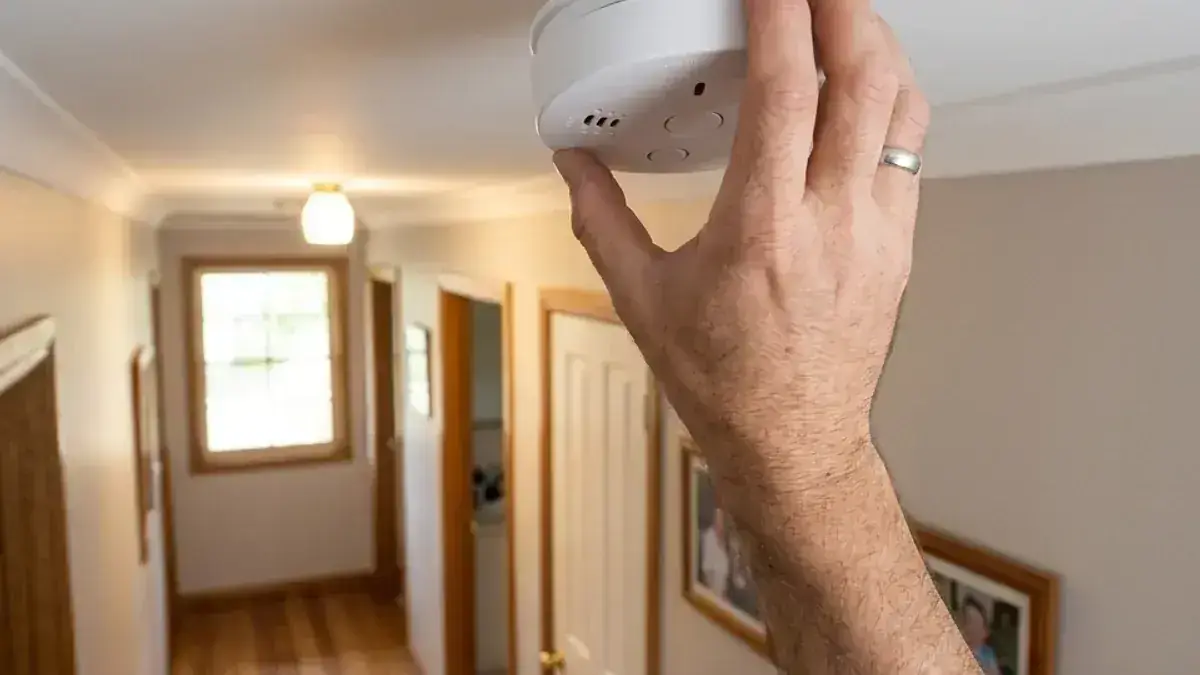
Smoke alarm installation needs to account for bedrooms, hallways, levels and existing equipment. Photoelectric alarms use optical sensors to detect smoke. Interconnected alarms sound together so people elsewhere in the home also receive a warning. A quote should identify their positions and which existing alarms need replacement.
Queensland Fire Department states that remaining existing private homes, townhouses, units and manufactured homes need interconnected photoelectric alarms by 1 January 2027. Its smoke alarm guidance is the primary reference for the requirement. Call now about smoke alarm work in Caboolture if you are planning the job.
The property’s situation comes first
An owner preparing an existing home for the 2027 deadline is not in the same position as an owner starting a new tenancy. QFD’s frequently asked questions explains that homes being sold, rented or re-rented must already have interconnected photoelectric alarms. The deadline is not a reason to defer requirements that already apply to those properties.
That distinction is useful when you enquire. Mention whether the home is owner-occupied, rented, being sold or undergoing major renovation. You do not need to interpret the legislation yourself, but the property category gives the person assessing the work the right starting point.
A future change of use is also worth mentioning. If you expect to rent a home after moving, that plan should be visible when discussing the job. It is easier to compare proposals that address the intended use than to discover later that the original conversation assumed something different.
Existing hardwired alarms affect the options
Battery-powered and hardwired are not freely interchangeable choices in every home. QFD’s alarm questions says existing 240-volt hardwired alarms must be replaced with hardwired photoelectric alarms. New construction and major renovations also require hardwired alarms. Suitable non-removable ten-year battery models can be used where permitted, including wireless interconnection.
The important customer question is what is already installed and what the proposed replacement is designed to achieve. Do not remove or disconnect a hardwired alarm to investigate. A short description of the existing arrangement is enough to begin an enquiry, and any uncertain details can be established through assessment.
For hardwired installation or replacement, a licensed electrician is required. That does not mean every permitted battery-alarm task must be bought as an electrical installation package. Keeping those distinctions clear helps you compare the actual work rather than paying for a package label you do not understand.
Compare a layout, not just an alarm count
QFD’s installation guidance describes alarms on each storey, in bedrooms and connecting hallways, with alternatives where a hallway or bedroom is absent. The dwelling’s layout therefore matters as much as its bedroom count. A quote for a standard package may need adjustment to match the actual home.
A useful proposal identifies positions in language you can follow. For example, a marked floor plan or a room list lets you compare two quotes without guessing whether they include the same arrangement. It also gives you a way to notice if a separate level or sleeping area has not been discussed.
This is particularly helpful when a renovation is changing how rooms are used. A study becoming a bedroom is more than a furniture change for the planning conversation. Read the renovation power and lighting guide if the alarm work is part of a broader project, so the electrical discussions can account for the same intended layout.
Request a callback about your alarm upgrade with the property category, number of levels and whether existing alarms are hardwired. These details start the discussion without asking you to inspect electrical connections.
Look beyond the advertised package
Two packages with the same number of alarms may include different products or different amounts of work. Clarify which existing alarms are retained, which are replaced and how the resulting arrangement is interconnected. Ask what is included in testing and handover, and whether removal of superseded equipment is part of the price.
Where access is unusual, describe it rather than assuming a standard price covers it. High ceilings, occupied rooms or timing around another trade are practical details for the quote. They should be discussed as features of your property, not inferred from a suburb name or the home’s apparent age.
For early budgeting, the calculator includes an illustrative three-bedroom example. Your property’s layout and existing alarms determine the installation, so a written quote needs its own positions, products and price.
Make ongoing use straightforward
A finished job should leave you knowing where the instructions are and what each product requires for routine care. If the system has a particular testing or hush procedure, ask for it to be demonstrated or explained using the manufacturer’s instructions. It is easier to keep useful instructions with the home records than search for a model number later.
For rental properties, responsibilities for testing and cleaning need to be understood by the people involved. The smoke alarm FAQ links the official guidance and distinguishes those responsibilities. Do not assume that arranging an installation replaces every ongoing obligation.
Keep the product details, invoice and applicable electrical paperwork together. If the installation is part of a sale or tenancy change, those records are also easier to provide when requested. The electrical project checklist can help organise what was agreed and what was supplied.
A clear plan before the deadline
The useful next step is a defined job: the relevant property category, the intended layout, the existing power arrangement and a written scope. That turns a broad deadline into a decision you can act on without guessing about equipment.
Call now to ask about smoke alarm work in Caboolture. For other electrical changes being considered at the same time, the service guides separate alarm work from fault finding, wiring and board upgrades so each part of the proposal remains understandable.